Evaluating Performance and Reliability in Open Box Coffee Equipment
Open box coffee equipment is becoming a popular choice for café owners, home baristas, and wholesale buyers who want high-quality machines at reduced costs. These are items returned by other buyers, lightly used display units, or models sold at discounted rates. Buying open box equipment can provide access to premium machines without the full retail price.
For commercial operators, home enthusiasts, and coffee pros, performance and reliability are critical. A machine may look good at first glance, but factors like brewing consistency, durability, and maintenance needs determine its real value. Whether you’re looking to buy open box espresso machine for a high-volume café or a serious home setup, evaluating these aspects is essential to avoid costly mistakes.
This guide offers a detailed roadmap to assess performance, reliability, and long-term value in open box coffee equipment, helping you make an informed decision.
Understanding Open Box Coffee Equipment
Open box equipment is often misunderstood, and knowing what you’re getting is the first step in evaluating it properly.
What “Open Box” Means
Open box items are products that have been returned, lightly used, or displayed in stores. They are typically inspected and tested before resale, but may have minor cosmetic flaws.
- Returns: Customers may return machines due to buyer’s remorse or shipping damage.
- Display Units: Often used in stores to showcase features.
- Refurbished Items: Inspected and repaired by the manufacturer or reseller for resale.
Understanding these distinctions helps buyers anticipate potential wear and decide if the cost savings justify the purchase.
Common Types of Open Box Coffee Equipment
Open box options are available across most coffee gear categories:
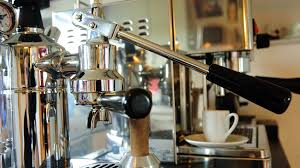
- Espresso Machines: Single-group or multi-group commercial machines.
- Grinders: Burr grinders, dosing grinders, or commercial grinders for high-volume cafés.
- Brewers: Drip machines, pour-over brewers, and batch brewers.
- Accessories: Knock boxes, tampers, water filtration, and milk frothers.
Each type has unique performance metrics and durability considerations that buyers need to understand.
Why Open Box Equipment Appeals to Buyers
Open box equipment offers several advantages:
- Cost Savings: Discounted pricing is often 20–40% below retail.
- Access to Premium Models: Buyers can afford high-end brands otherwise out of budget.
- Sustainability: Reduces waste and promotes responsible consumption by reusing returned machines.
For commercial buyers, this can mean getting a multi-group espresso machine for the price of a single-group model, while home baristas can access café-quality machines at manageable costs.
Key Performance Metrics to Evaluate
Performance is the backbone of any coffee operation. Assessing key metrics ensures that your open box equipment can handle your workflow and deliver consistent results.
- Brewing Consistency
Consistency is essential for quality drinks:
- Temperature Stability: Machines must maintain stable temperatures throughout brewing.
- Pressure Accuracy: Even pressure ensures proper extraction of espresso shots.
- Extraction Quality: Taste and crema consistency should match expectations for the machine’s class.
Café owners should prioritize machines that can deliver uniform shots during peak hours, while home baristas should focus on reproducible results with their favorite beans.
- Speed and Efficiency
Time is a critical factor, especially in commercial environments:
- Multi-group machines reduce wait times for multiple drinks.
- Grinders with high throughput can handle peak-hour demands.
- Automation features, like programmable dosing, speed up workflow without sacrificing quality.
Efficiency directly impacts customer satisfaction and operational flow, making this a priority for café owners.
- Energy Consumption and Sustainability
Modern coffee equipment often incorporates energy-saving features:
- Eco Mode: Reduces energy use during idle periods.
- Efficient Boilers: Lower energy requirements without compromising temperature stability.
- Long-Term Cost Savings: Reduced electricity usage contributes to profitability.
For home users, energy efficiency is convenient, while for commercial buyers, it affects overhead costs and sustainability goals.
- User Experience and Interface
Ease of use and intuitive controls save time and reduce errors:
- Programmable Settings: Simplifies workflow and maintains drink quality.
- Accessible Components: Easy-to-clean parts, removable drip trays, and accessible water reservoirs.
- Maintenance Alerts: Some machines notify when descaling or cleaning is required.
A positive user experience reduces training time for staff and makes routine maintenance straightforward.
Assessing Reliability in Open Box Equipment
Reliability ensures long-term performance and reduces downtime, a crucial factor for both commercial and home buyers.
- Physical Inspection and Build Quality
Examine equipment carefully:
- Exterior Condition: Scratches, dents, or missing panels.
- Functional Components: Steam wands, group heads, and portafilters should operate smoothly.
- Electrical and Plumbing: Ensure wiring and water connections are intact.
Even minor issues can indicate heavier usage or potential future repairs.
- Warranty and Support Options
Warranties vary between open box and new items:
- Manufacturer-backed warranties may still apply, depending on the machine and reseller.
- Some resellers provide limited-time warranties or service contracts.
- Reliable after-sales support ensures replacement parts and repairs are accessible.
For commercial buyers, warranties are critical to avoid extended downtime.
- Longevity and Replacement Parts
Understanding lifespan and maintenance needs is essential:
- Boiler Life: Heat exchangers and boilers can last for years if maintained properly.
- Group Heads and Pumps: Check service history to assess wear.
- Parts Availability: Easy access to replacements prevents prolonged downtime.
A machine with known serviceable parts is a safer investment than a cheaper but unsupported option.
- Past Usage and Performance History
Open box items often come with a usage history:
- Lightly Used: Mostly display or short-term use, typically reliable.
- Heavier Use: Returned commercial units may have high shot counts.
- Refurbished Units: Inspected and repaired to meet original specs.
Understanding usage patterns helps buyers gauge potential lifespan and maintenance needs.
Testing and Evaluation Before Purchase
Even if a machine looks perfect, testing is essential before committing.
- On-Site Demonstrations and Trials
Hands-on testing allows buyers to:
- Evaluate temperature and extraction consistency.
- Test grinder throughput and dosing accuracy.
- Verify steam pressure and milk frothing performance.
Café owners can simulate peak-hour conditions, while home baristas can replicate typical usage scenarios.
- Benchmarking Against New Equipment
Compare open box equipment with new machines to assess performance:
- Measure extraction times, shot quality, and steam output.
- Identify subtle differences that could impact daily operations.
- Ensure that savings don’t come at the expense of critical performance.
- Technical Diagnostics and Calibration Checks
Advanced diagnostics tools help confirm accuracy:
- Pressure and temperature gauges ensure correct operation.
- Flow rate testing verifies proper pump function.
- Calibration ensures consistent shot quality across groups or grinders.
Professional-grade testing adds confidence for commercial buyers and serious enthusiasts.
Cost-Benefit Analysis
Evaluating financial implications alongside performance and reliability ensures smart purchasing.
- Price Savings vs. Potential Risks
Open box pricing is attractive, but consider:
- Risk of hidden wear or future repairs.
- Possible limited or expired warranties.
- Potential need for immediate replacement parts.
A moderate discount may be less valuable if reliability issues lead to downtime or repair costs.
- Long-Term Operational Costs
Consider energy, maintenance, and parts replacement:
- Machines with efficient boilers reduce electricity bills.
- Easily serviceable parts lower long-term maintenance costs.
- High-throughput grinders and pumps designed for longevity reduce replacements.
Calculating the total cost of ownership helps determine real value.
- Value for Commercial vs. Home Use
Open box equipment suits different users in different ways:
- Commercial Operators: Can access multi-group machines and grinders at reduced costs, but must ensure peak-hour reliability.
- Home Baristas: Can afford premium features like PID controls and dual boilers without overinvesting.
- Wholesale Buyers: Can purchase multiple units at discounted rates with minimal compromise on performance.
Best Practices for Purchasing Open Box Coffee Equipment
Following a few guidelines ensures you maximize value and minimize risk.
- Choosing Trusted Sellers
Buy from reputable retailers or certified resellers:
- Ensure thorough testing and refurbishment of units.
- Access warranty and after-sales support.
- Verify the authenticity of brands and models.
- Verifying Authenticity and Condition
Inspect each unit before purchase:
- Check serial numbers and documentation.
- Ensure all components function correctly.
- Evaluate cosmetic condition to anticipate wear.
- Negotiating Terms and After-Sale Support
Protect your investment by confirming:
- Warranty coverage, including duration and scope.
- Return policies and service plans.
- Availability of replacement parts and support for bulk orders.
Proper negotiation can secure additional support and reduce future costs.
Conclusion
Open box coffee equipment provides a cost-effective pathway to premium machines, but performance and reliability cannot be overlooked. For café owners, home baristas, and wholesale buyers, evaluating brewing consistency, speed, durability, and warranty coverage is essential.
Whether you buy open box espresso machine for a bustling café or your home setup, thorough inspection, hands-on testing, and careful cost-benefit analysis ensure you get the best value without compromising operational confidence. Choosing trusted sellers and verifying authenticity completes the process, giving you the reliability you need to brew exceptional coffee every time.