Measuring the Effectiveness of Candidate Scorecards in Hiring Processes
Key Takeaways
- Candidate scorecards introduce objectivity and consistency to the hiring process.
- Tracking key metrics such as time-to-fill, quality of hire, and interviewer calibration helps determine scorecard success.
- Continuous review and refinement of scorecards drive better hiring decisions over time.
- Well-implemented scorecards can enhance the candidate experience and improve organizational outcomes.
Introduction
Modern hiring demands efficiency and fairness. Many organizations utilize candidate scorecards to introduce structured, objective evaluations throughout their recruitment processes. These tools act as guardrails, steering interviewers toward criteria-based ratings rather than gut instincts, thereby striving for more equitable and consistent selection practices. Hiring teams leveraging these tools should explore resources like this interview feedback template to kickstart their scorecard strategies.
Yet, the true value of candidate scorecards isn’t found in their implementation alone. Systematically measuring their impact determines whether these tools drive meaningful improvements in hiring outcomes. By defining and tracking clear metrics, businesses can avoid the pitfalls of complacency or misapplied processes, ensuring their talent acquisition strategies remain dynamic and effective.
When thoughtfully assessed, scorecards can enhance candidate experience, lower turnover, and help organizations avoid costly hiring mistakes. Benchmarking their impact against business goals and industry standards is essential to maximizing their return on investment, particularly as hiring markets become increasingly competitive.
Understanding Candidate Scorecards
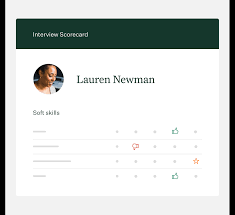
At their core, candidate scorecards are frameworks that standardize how interviewers evaluate candidates. Each scorecard typically outlines the competencies, skills, and experiences most vital to a given role, requiring interviewers to rate each attribute on a defined scale. This approach minimizes subjective judgments and unconscious biases, focusing on what matters for success in the role.
Scorecards are most powerful when tightly linked to job requirements and organizational culture. The clarity they provide ensures every interviewer knows exactly what great looks like, enabling more informed decisions and smoother post-interview debriefs. According to Harvard Business Review, structured interviews and scorecards significantly improve hiring choices’ consistency and predictive power.

Key Metrics for Evaluating Scorecard Effectiveness
Defining what success looks like helps gauge whether your scorecard is moving the needle. Essential metrics include:
- Time-to-Fill: Track the number of days from job posting to candidate acceptance. A reduction typically indicates more decisive and efficient evaluation, highlighting the scorecard’s organizational impact.
- Quality of Hire: Analyze performance indicators and retention data of new hires. Are scorecard-qualified candidates meeting or exceeding productivity expectations? Are they staying with the company longer than those hired without a scorecard?
- Candidate Experience: Solicit feedback from applicants, both successful and unsuccessful, focusing on perceived fairness, transparency, and communication throughout the process.
- Interviewer Calibration: Assess how consistently different interviewers interpret and apply the scorecard ratings. Disparate scores for the same candidate may indicate a need for further training.
Implementing Continuous Improvement
Making scorecards more effective is an ongoing process. Periodic reviews—quarterly or biannually—help identify patterns in hiring outcomes. Those sections can be reinforced or weighted more heavily if certain criteria strongly correlate with later job success. Conversely, lower-impact attributes or ones frequently misinterpreted should be revised or removed.
Encouraging open feedback from interviewers about their experience with the scorecard can also reveal valuable insights. Supporting tools and training initiatives can be structured around these findings, closing gaps and raising the hiring bar.
Challenges in Measuring Impact
Despite their many strengths, candidate scorecards are not immune to pitfalls. Unconscious biases can still creep in if interviewers misinterpret rating scales or overlook context. Inconsistency in scorecard application between interviewers or insufficient training can blunt the intended standardization, leading to mixed results.
It’s critical to treat the scorecard as a living document that evolves alongside business strategy shifts, required competencies, and market trends. Anchoring continued interviewer education and regularly recalibrating tools ensures the greatest possible return on the investment in structured hiring processes.
read more : https://iturbogeek.org/
Final Thoughts
When thoughtfully designed and strategically monitored, candidate scorecards serve as powerful engines for hiring excellence. Their effectiveness lies in ongoing measurement, refinement, and adaptation, ensuring every decision advances organizational goals. Organizations can transform candidate evaluation into a true competitive advantage by remaining data-driven and open to feedback.