The Science of Queueing: How Waiting Lines Affect Casino Spending
Most people dislike waiting. But casinos use waiting lines in clever ways. A line can change how long people stay and how much they spend. It even shapes how they feel about the casino. When you stand in a line, your mind reacts fast. You consider how fair it feels, how quickly it moves, and whether the wait makes sense. These small thoughts push your next choice, even if you don’t notice it. In casinos, every second of that wait shapes spending behavior.
Why Waiting Feels Longer Than It Is
Time moves slowly when you’re not doing anything. This is why an empty queue feels painful, but a moving one feels fine. Casinos know this. They place screens, lights, and sounds near lines so you stay distracted, and they also offer a 200% casino bonus for the first deposit. When your brain is busy, the wait feels shorter. This small trick keeps frustration down and keeps guests from walking away. A short mood lift can lead to spending more once you enter the gaming floor.
The “Value of Effort” Effect
When a guest waits for something, they tend to value it more. It feels earned. This effect shows up in many industries, and casinos benefit from it too. After waiting in a line, guests often stay longer at tables or machines. They feel they have already invested time. So they try to “make the wait worth it.” This mindset can quietly push spending and reduce early exits.
Moving Lines Build Trust
There is a simple rule in queue psychology: people judge a line by how fast it moves. Even if it is long, a moving line feels fair and controlled. Casinos put a lot of effort into creating movement. Staff members walk the line. They answer questions. They shuffle people forward. This builds trust. When a venue feels organized, people feel safe spending money. A steady flow creates confidence, and confidence shapes behavior.
How Uncertainty Increases Excitement
Waiting often leads to tension. In a casino, that tension can shift into excitement. People watch others win. They see jackpots on screens. Their anticipation grows. This mix of waiting and watching can make guests more eager to play. They imagine that they are next. Their brains turn short delays into emotional build-up. And that emotional lift can open the door to higher spending once they reach their game of choice.
When Waiting Turns People Away
Not all lines help. Some lines hurt revenue. Long, silent, or disorganized queues frustrate guests. Confusing signs, slow service, or unclear rules can push people to leave. This is why casinos study line drop-off rates. They want to know how long a guest will wait before giving up. A poor queue system can cost more than a lost game round. It can cost trust. And trust is the fuel of repeat business.
Digital Queues Change the Game
Digital systems are reshaping casino waiting habits. Some casinos now offer mobile check-ins. Others use virtual lines that let guests wander while they wait. This reduces stress and keeps people active. A guest who is free to explore can get snacks, browse games, or try low-risk machines. This means the casino loses no momentum. It also gives people a sense of control. And when people feel in control, they spend more comfortably.
Design Cues That Reduce Stress
Small design choices matter. The width of the queue path. The color of the signs. The brightness of the space. Even the floor texture has an effect. Clean lines and soft colors help reduce anxiety. Friendly staff at the front can help a lot. Small actions make people feel cared for and safe. When guests feel safe, they spend more. Casinos rely on this comfortable feeling to keep spending high.
Why People Prefer Multiple Lines
There is an interesting twist in queue behavior. Many people prefer several short lines to one long one, even if the single line is faster. Multiple lines feel like a choice. They give people a small sense of control. They spark hope that “my line might be the fastest.” Casinos use this to create positive energy. Even when the speed is the same, the perception of choice improves satisfaction.
Spontaneous Spending While Waiting
Every line is a chance to influence behavior. Casinos place impulse options near queues. These could be drinks, small games, or touch screens with quick-play options. People reach for things when they are idle. This works in supermarkets and airports. It works in casinos, too. A simple display can turn boredom into small but steady revenue.
The Social Influence of Waiting Lines
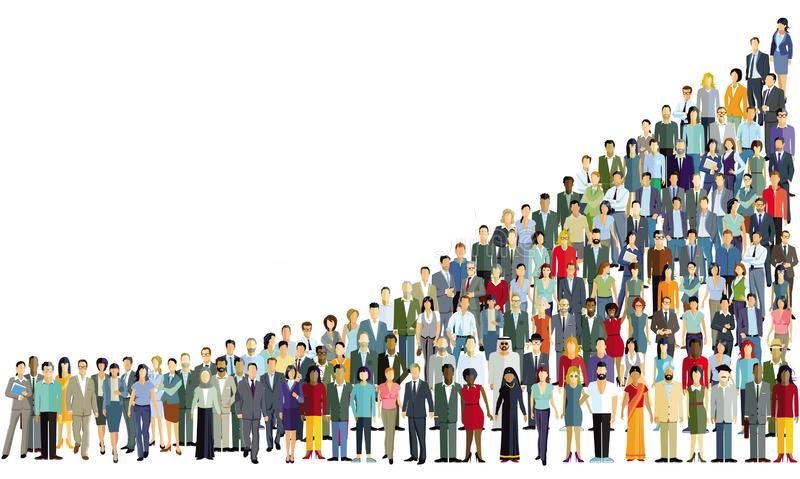
Crowds attract more crowds. A visible line near a table or machine signals popularity. People believe that if others are waiting, the game must be good. This is social proof. Casinos leverage this effect to highlight their most profitable games. When guests see a busy area, they assume it’s worth trying. This assumption leads to more spending and more traffic.