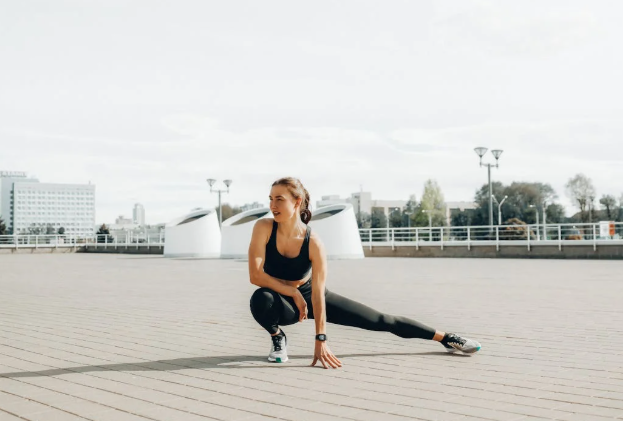
The Sports Girl Era Is Back and It’s Way More Fun Now
Over the past few years, more women have been looking for ways to stay active that feel social, flexible, and enjoyable. Traditional fitness routines often felt rigid or disconnected from real life, especially for those balancing work, social plans, and personal time. Sports are now stepping into that space in a way that feels fresh and inviting. From evening tennis meetups to weekend run clubs and casual league games, movement has become something people look forward to rather than schedule around.
This shift has sparked what many are calling the return of the sports girl era. For many women, this new approach makes staying active feel easier to sustain and more enjoyable to share.
A modern take on being sporty
The sports girl era is less about specialization and more about variety. One week might include a casual soccer game with friends, while another focuses on cycling or a group run. There is no single path or defined identity. The focus stays on participation and personal enjoyment.
Many women now move between sports depending on mood, schedule, or season. This flexibility allows activity to fit into life rather than compete with it. Being sporty no longer requires strict routines or long-term commitments. Instead, it encourages curiosity and openness to movement in different forms.
Fueling an active sports routine with intention
An active sports lifestyle often starts with simple, everyday habits. Regular meals, staying hydrated, and planning food around activity times help many people feel ready for their sessions. Rather than focusing on rules or restrictions, most active women now aim for balance and consistency. Eating a variety of foods across the day fits well with changing schedules and different types of sports.
Some individuals may also include health-friendly supplements by companies like USANA Health Sciences into their personal routines, alongside regular meals and hydration. These choices are often shaped by lifestyle preferences, convenience, and individual goals. What matters most is that food remains the foundation, while supplements, when used, fit into a broader approach to daily nourishment.
Style meets function on the field
Sports style has also evolved in a way that reflects everyday life. Clothing choices now focus on comfort, movement, and versatility. Outfits often move seamlessly from activity to errands or casual plans. This shift removes the need to change or plan around sports, making participation feel more accessible.
Personal style has become part of the sports experience. People choose gear that feels authentic to them rather than following a strict look. This freedom adds to the sense that sports fit naturally into modern routines.
Choosing play over rigid routines
Many women are stepping away from strict schedules in favour of sports that feel playful and adaptable. Recreational leagues and casual games offer structure without pressure. Missing a session does not feel like failure. Returning feels easy and encouraged.
This approach supports consistency by allowing room for real life. Sports become something to return to again and again, rather than something that demands perfection.
Making sports work with real schedules
Busy schedules no longer block an active lifestyle. Sports now come in shorter formats, flexible times, and shared commitments. Early morning runs, lunchtime matches, and weekend games allow movement to fit naturally into the day.
This adaptability makes sports easier to maintain over time. Instead of reshaping life around activity, activity becomes part of everyday planning. That balance plays a major role in why the sports girl era feels more realistic and enjoyable than before.
Enjoyment makes sports easier to maintain
Sports tend to stay part of life longer when they feel enjoyable. Activities that bring a sense of fun and satisfaction are easier to return to week after week. This is one reason recreational sports continue to grow. They offer structure without rigid expectations, allowing people to participate at their own pace.
When enjoyment leads the experience, consistency often follows naturally. People show up because they want to, not because they feel pressured. This mindset supports a steady relationship with movement that adapts as interests and schedules change.
A more welcoming sports culture
Sports culture today places more focus on participation than performance. Many leagues and clubs now offer beginner-friendly formats, flexible skill levels, and open sign-ups. This approach helps more people feel comfortable joining, even if they are trying a sport for the first time.
Welcoming environments encourage learning and confidence through experience. They allow people to build familiarity with sports over time, without feeling the need to compare themselves to others. This shift plays a key role in making sports feel accessible and inclusive.
Community helps keep routines consistent
Community plays an important role in how sports fit into daily life. Group schedules, shared messages, and regular meetups help turn activity into a habit. When people know others expect to see them, showing up feels simpler and more natural.
Sports communities also offer structure without rigidity. Missed sessions rarely disrupt the experience, and returning feels easy. This flexibility helps many women maintain long-term involvement without feeling overwhelmed by commitment.
Sports as part of everyday life
Sports now blend easily into workdays, weekends, and social plans. Morning runs, evening games, and weekend matches allow activity to align with existing routines. This integration removes the need to separate sports from the rest of life.
When sports feel like a natural extension of daily planning, they become easier to sustain. Activity fits around responsibilities rather than competing with them. This balance reflects how modern lifestyles continue to evolve.
The return of the sports girl era reflects a broader shift in how women approach movement. Sports now offer flexibility, connection, and enjoyment without rigid expectations. They support routines that feel realistic, social, and adaptable to changing schedules.
This era is less about labels and more about participation. It encourages people to explore different sports, build community, and create habits that align with everyday life. As sports continue to evolve alongside modern routines, they remain a practical and engaging way to stay active in a way that feels personal and sustainable.